Nov 18, 2025
Q&A on the ASAI Award Winning Project
Kilograph was recently recognized with the 2025 Hugh Ferriss Memorial Prize from ASAI for our collaborative airport project with HOK Architects. To commemorate this achievement we met with Matteo Venanzio, a Senior 3D Artist on the project, to share the team's process and what made this project unique with a behind the scenes interview.
Q: What was your initial approach?
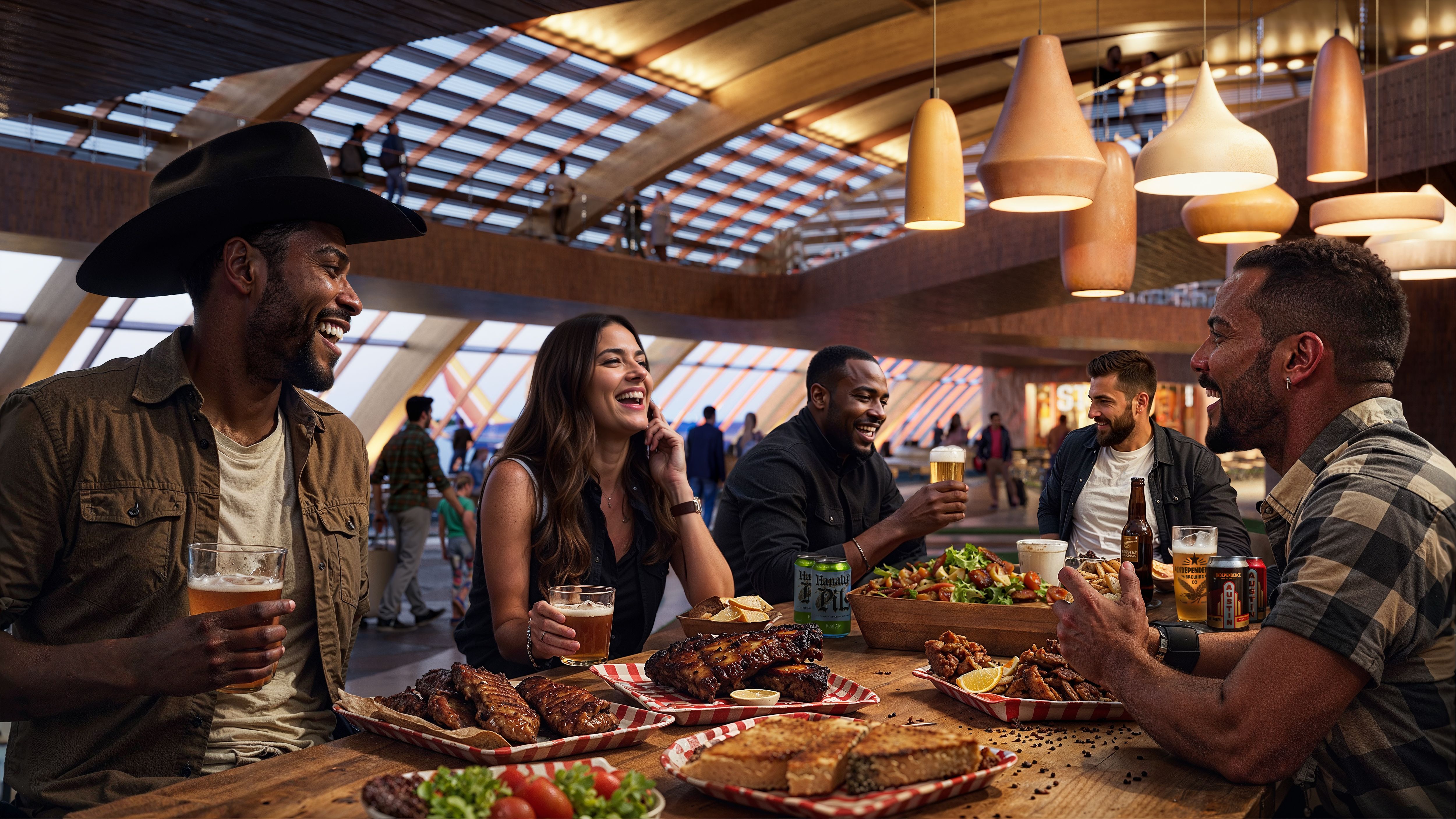
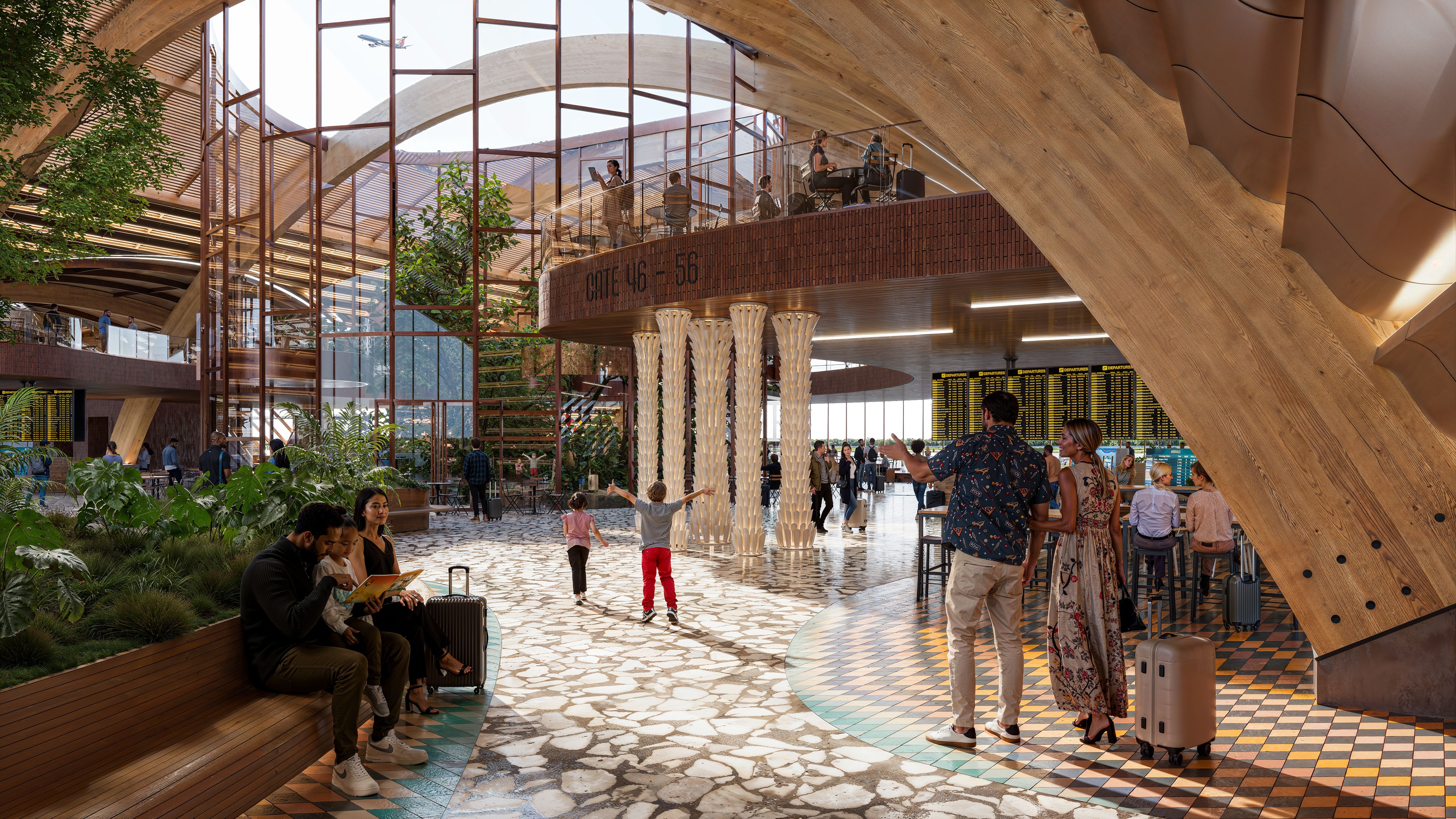
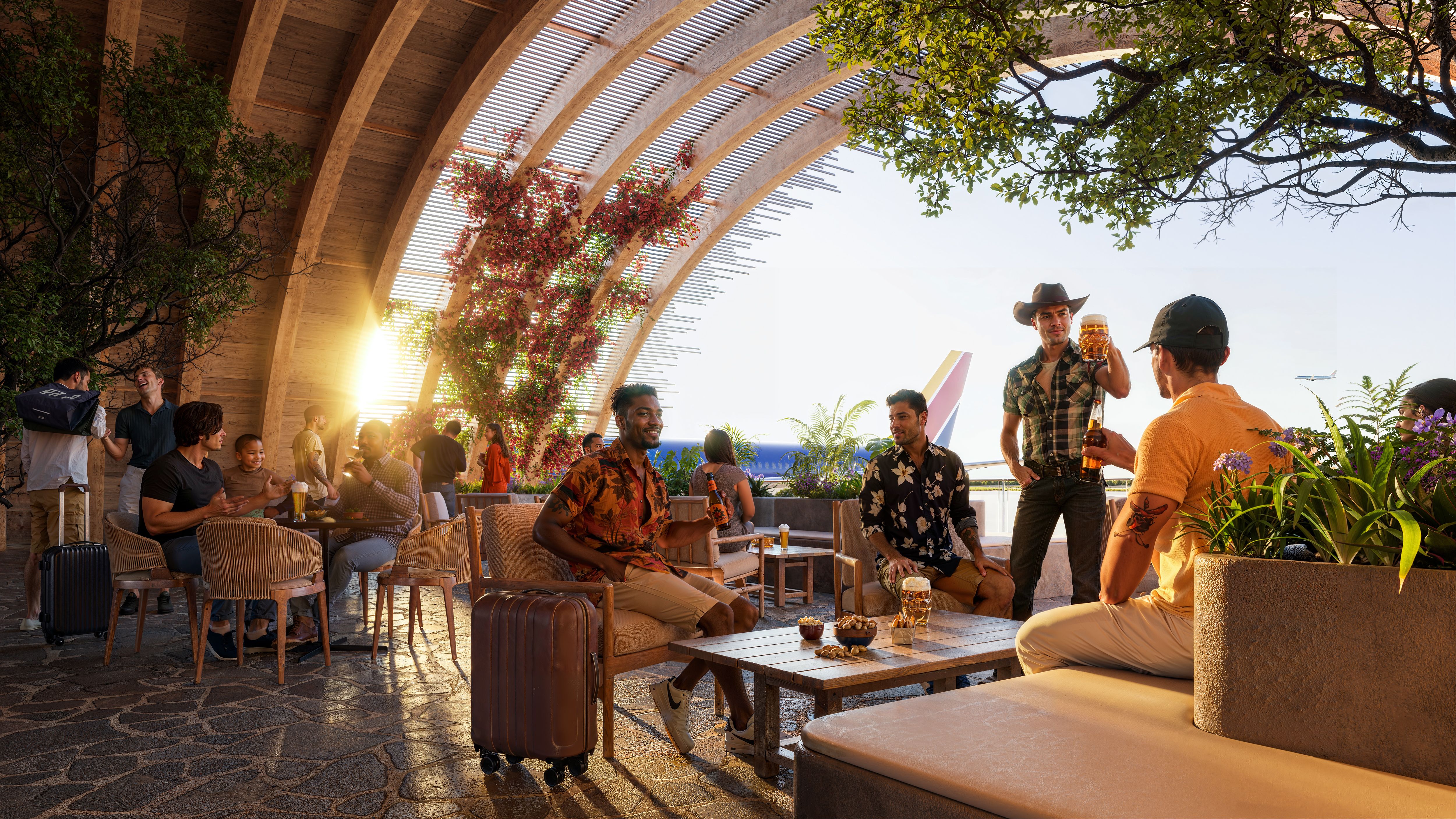
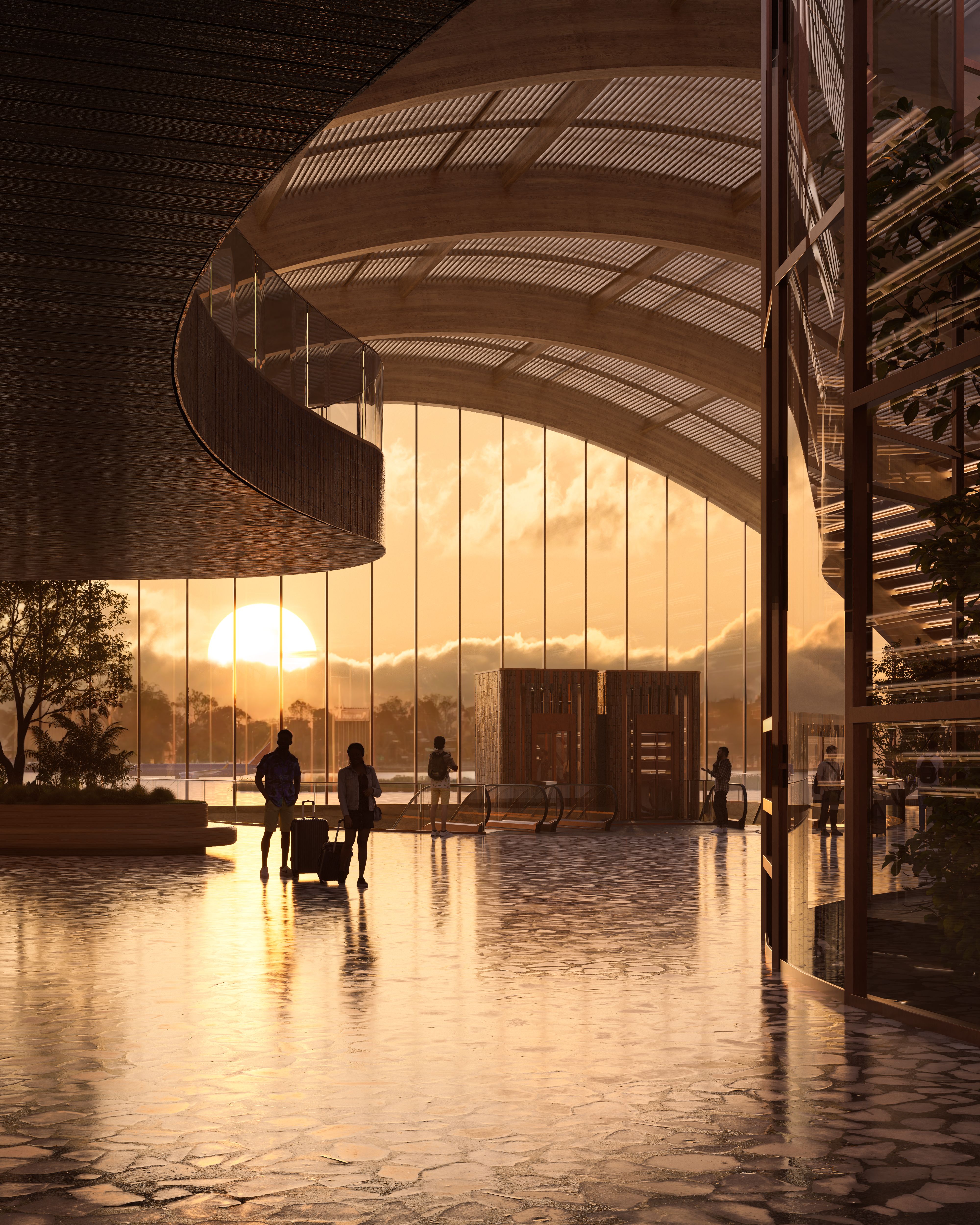
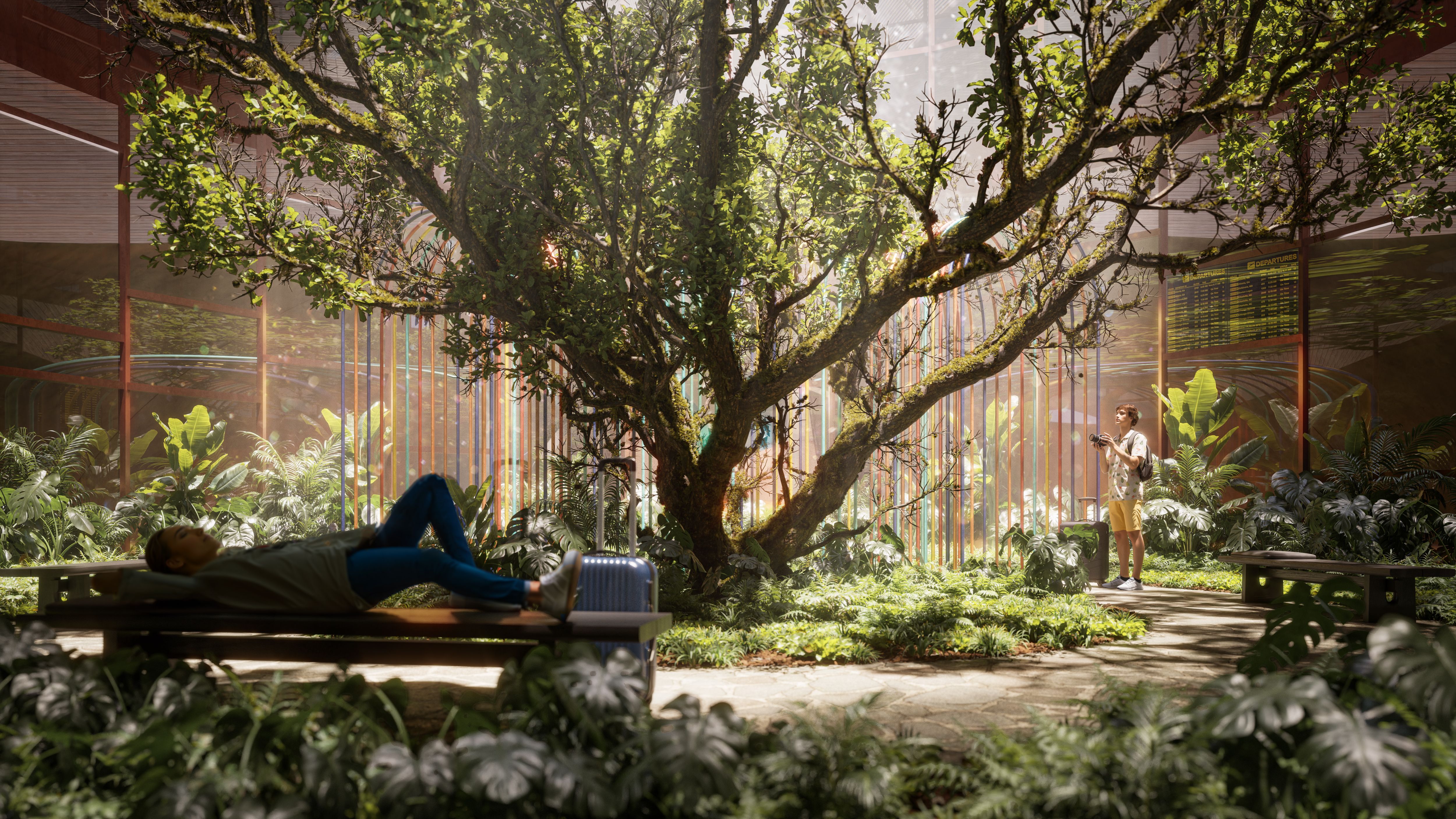
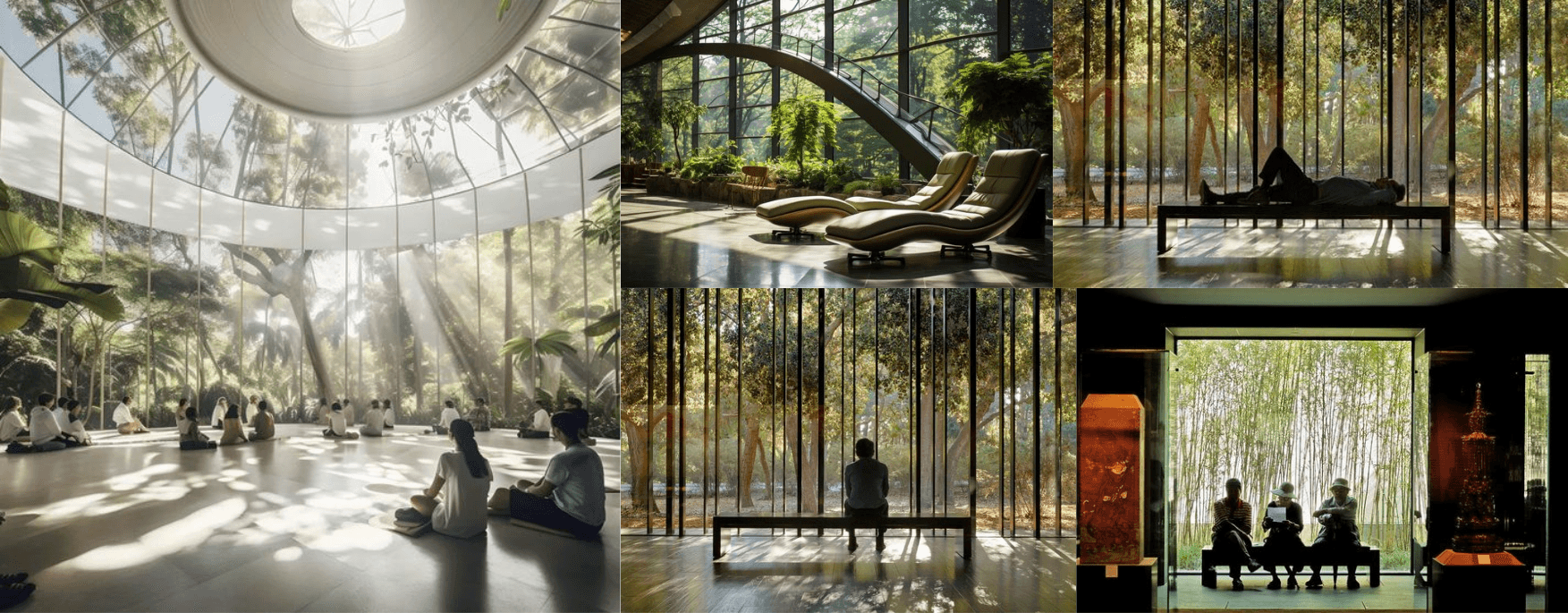
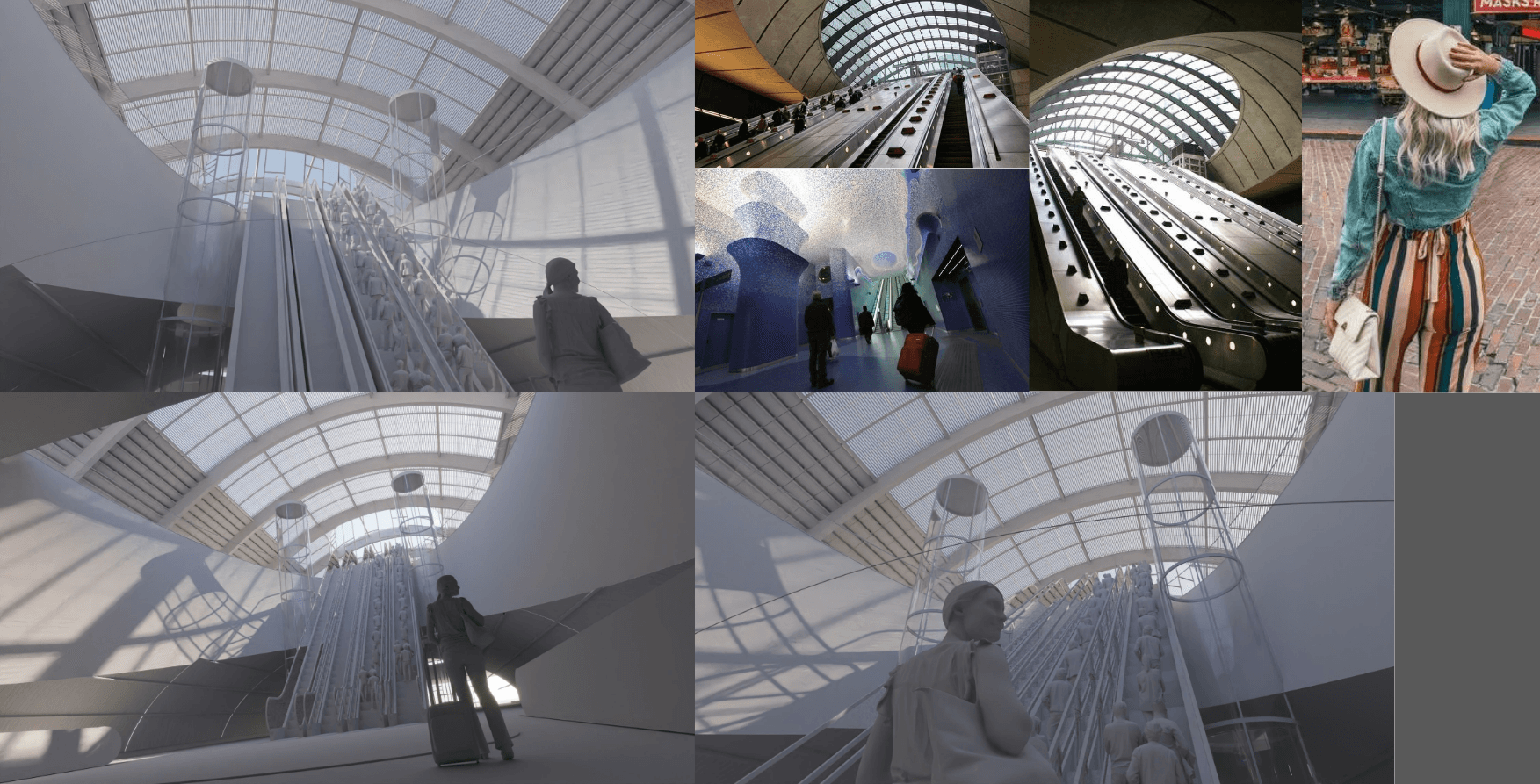
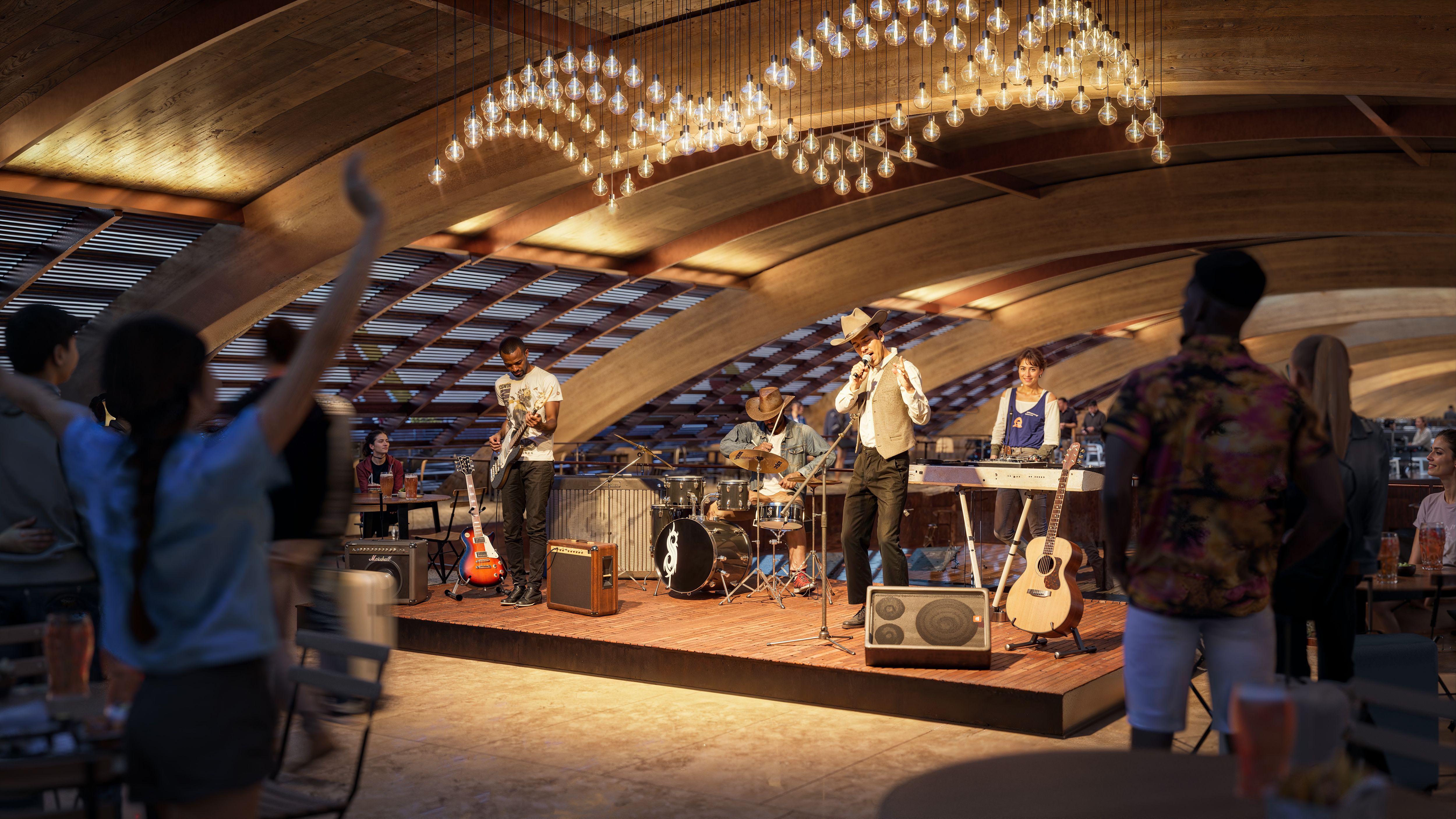
A: We approached the images more like short stories than traditional architectural visualizations. Instead of focusing purely on space and architecture, we built each image around people, their lifestyle, and the culture. We began by writing a script for every scene, almost like a storyboard for an animation, which guided the narrative and the atmosphere. Alongside the script, we gathered references for both the architectural setting and the personalities, outfits, and activities of the people. From there, we created draft views, tested storytelling angles, and refined them until we reached the final images that captured the energy.
Q: What made this project unique?
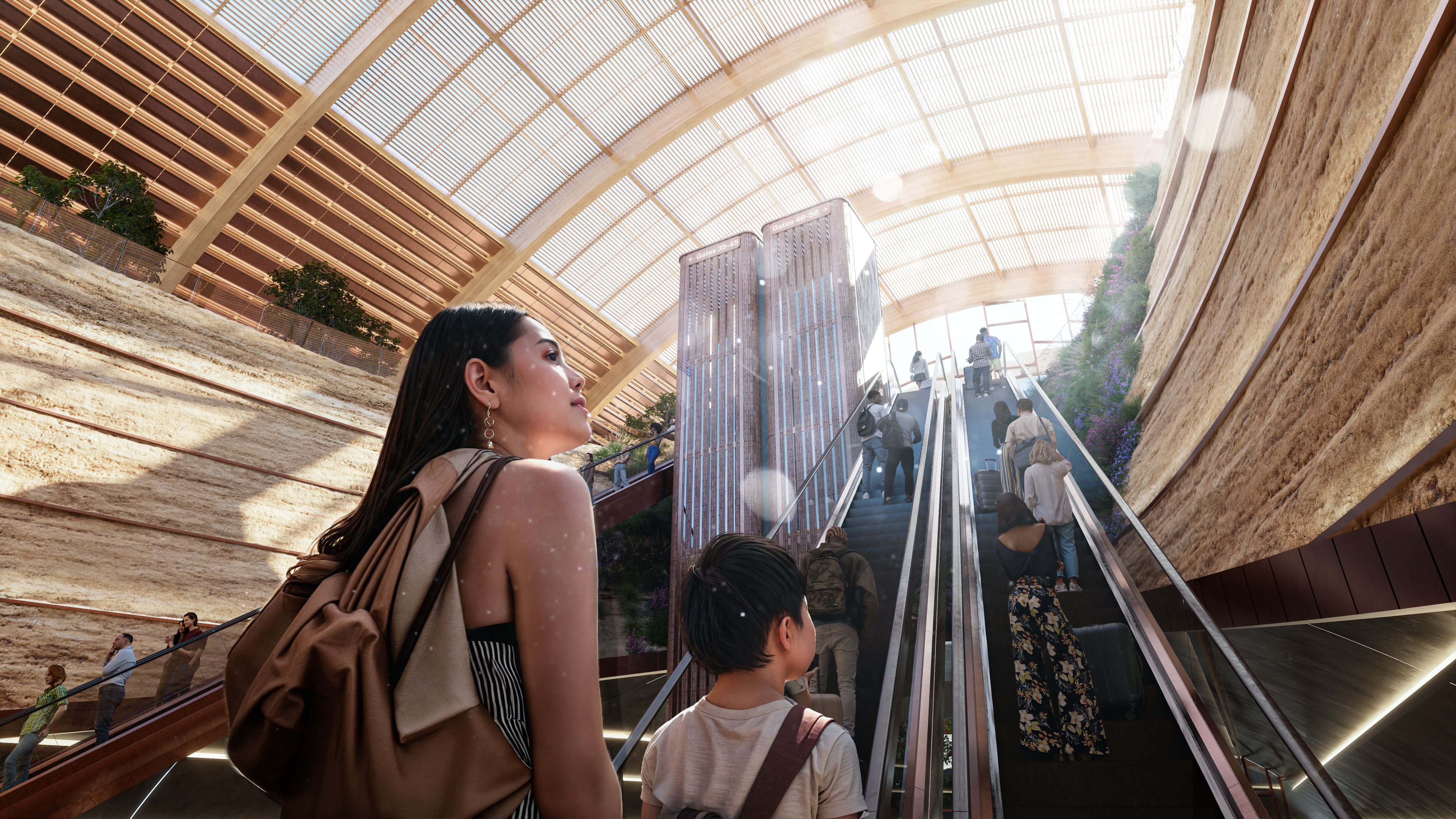
A: Most projects put the spotlight on architecture and design, with people supporting the story, but in this project, the people were the story. The architecture was a stage, but the characters brought it to life. Our client HOK Architects wanted us to embody the city's unique identity: quirky, playful, stylish, and vibrant, so the research into local culture was as important as the technical rendering.
It felt more like cultural storytelling than traditional visualization. The Airport images stand out because they don’t just show a building, they show a lifestyle and a culture. Everything, from the choice of outfits to the food, music, and even the humor, was curated to reflect the spirit of the area.
Q: What was special about this project?
A: The creative freedom. The HOK Architects team encouraged us to go deep into cultural storytelling. The requirement that people should embody the city's “weird but cool” vibe gave us a unique challenge and made the process really fun.
Q: How did you use AI on this project?
A: We integrated AI tools across the process, from early concept exploration to the refinement of details. AI helped us quickly visualize stylistic directions, test moods and lighting ideas and explore unconventional compositions inspired by the city’s unique spirit. It allowed us to experiment freely, generating unexpected combinations of people, colors and atmospheres that captured the city’s eccentric personality, which we then refined and grounded through traditional 3D and compositing work.